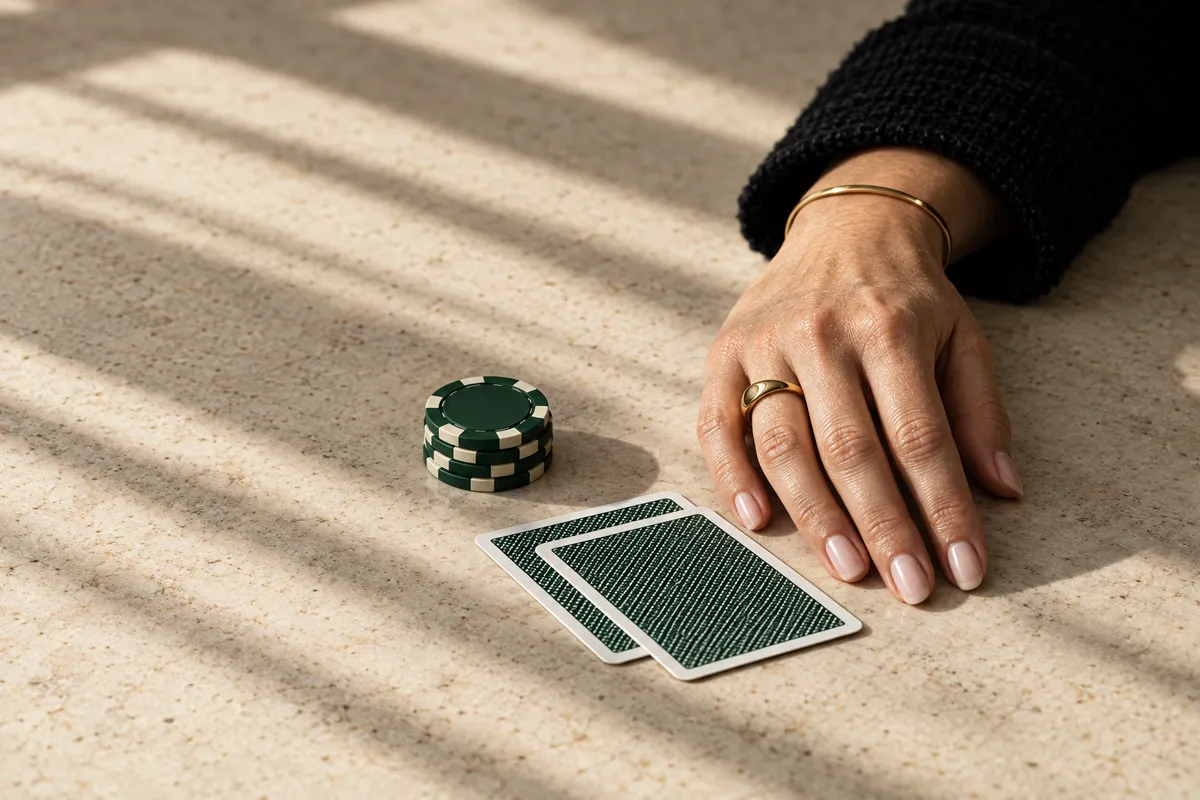
כשאני יושבת בשולחן פוקר, אני חלק מקבוצה של נשים בודדות ולפעמים היחידה. לפעמים מתוך 1000 שחקנים ולפעמים מתוך 70. התחושה נשארת זהה.
בחיים מול בשולחן
אני מגיעה לשולחן עם כל מה שאני. ניסיון חיים, אינטואיציה, דפוסים שבניתי לאורך שנים. חלק מהם עוזרים לי. חלק מהם מזיקים לי. והעבודה היא ללמוד להפריד.
תחושת בטן = מידע אמין
ביטחון עצמי = יציב
תחושת בטן = רעש בלי נתונים
ביטחון עצמי = נשחק אחרי הפסדים
שחקן שמסתכל עליי בצורה מאיימת בבאבל? הוא פשוט משחק. אבל הגוף שלי מגיב כאילו זה אמיתי, וברגע שזה קורה - ההחלטות משתנות.
תיוג שחקנים? בחיים אני סומכת על תחושות. בפוקר, תיוג חייב להתבסס על שואדאונים, דפוסי הימור, נתונים. שפת גוף בלי אימות מול נתונים היא רעש. וכאישה שנוטה לקרוא אנשים דרך רגש - זה מלכוד שאני צריכה להיזהר ממנו.
גם הביטחון העצמי עובד אחרת. בחיים, אני יודעת מי אני. בשולחן, אחרי רצף הפסדים, הקול הפנימי מתחיל: "אולי את לא שייכת לכאן." הביטחון שבניתי בעבודה קשה נשחק ברגע.
נשיות ואגרסיביות
בהתחלה ניסיתי לשחק כמו הגברים. אגרסיבית, קרה, ישירה. לא עבד - כי ניסיתי להיות מישהי אחרת.
עם הזמן הבנתי שהנשיות שלי היא כלי, לא חולשה. קריאת אנשים, סבלנות, תזמון, תשומת לב לדינמיקה. במקום להילחם בזה, התחלתי לבנות סגנון שמשלב את מה שאני טובה בו עם אגרסיביות מחושבת שלמדתי לפתח.
Eagly & Karau (2002) - נשים בסביבות תחרותיות נתפסות כחורגות מהנורמה כשהן מפגינות אגרסיביות. אותה התנהגות שמחזקת גבר עלולה לערער אישה.
המשפט האהוב עליי: "את מפחידה אותי."
הגוף כחלק מהמשחק
חלק מהעבודה שלי כשחקנית הוא ללמוד את הגוף שלי. מחזור, תנודות אנרגיה, ימים שבהם הוויסות הרגשי קשה יותר. לקח לי זמן להבין שזה לא חולשה - זה מידע.
היום אני עוקבת אחרי איך שאני מרגישה מנטלית והורמונלית, ומתאימה את המשחקים בהתאם. לפעמים זה אומר לשחק טורנירים זולים יותר, להגיע מאוחר יותר, או לא לשחק בכלל. במקביל, אני מעדיפה גם לתרגל ולשפר את ההתמודדות שלי עם הימים האלה לאורך זמן - לא רק להימנע, אלא ללמוד לתפקד טוב יותר גם כשזה קשה.
אישה מול אישה
Cashdan (1998) - בסביבות עם משאבים מוגבלים, תחרות בין נשים עולה ומתבטאת באגרסיביות עקיפה. בשולחן פוקר, שבו נשים הן מיעוט קטן, הדינמיקה הזו מתעצמת.
אני מנסה להיות מודעת לזה. כשאני מזהה תחרותיות עולה כלפי שחקנית אחרת, אני שואלת - זה מהמשחק או ממקום אחר?
הצד המעצים
אחרי כל מה שכתבתי - יש גם צד אחר.
לדעת שאני יכולה לנצח. לא בגלל מגדר, לא למרות מגדר. בלי קשר למוצא, לגיל, לרקע. הקלפים לא יודעים מי אני. הם יודעים רק אם קיבלתי את ההחלטה הנכונה, או את הטעות הנכונה, ברגע הנכון.
יש משהו מיוחד בלראות גברים כשהשמירות יורדות. התשוקה למשחק, הרגישות אחרי הפסד, השמחה הילדותית אחרי ניצחון. מקום שבו גברים מראים רגש בלי לחשוב על זה פעמיים.
ובין יד ליד, נוצרים חיבורים אמיתיים. שיחות על חיים, תחביבים, מה שחשוב להם. גיליתי מכנה משותף עם אנשים שלעולם לא הייתי פוגשת. הפוקר שובר מחיצות של גיל, רקע, ותרבות. יש קהילה פה. לא מושלמת, אבל אמיתית.
When I sit at a poker table, I'm part of a handful of women and sometimes the only one. Sometimes out of 1000 players, sometimes out of 70. The feeling stays the same.
Life vs the Table
I arrive at the table with everything I am. Life experience, intuition, patterns built over years. Some help me. Some hurt my game. The work is learning to separate them.
Gut feeling = reliable info
Self-confidence = stable
Gut feeling = noise without data
Self-confidence = erodes after losses
A player staring me down on the bubble? He's just playing. But my body reacts as if it's real, and once that happens - my decisions change.
Player tagging? In life I rely on gut feelings. In poker, tagging must be based on showdowns, betting patterns, data. Body language without validation against data is noise. And as a woman who tends to read people through emotion - that's a constant trap.
Self-confidence works differently too. In life, I know who I am. At the table, after a losing streak, the voice starts: "Maybe you don't belong here." Confidence built through hard work erodes in a moment.
Femininity and Aggression
At first I tried to play like the men. Aggressive, cold, direct. Didn't work - I was trying to be someone else.
Over time I understood my femininity is a tool, not a weakness. Reading people, patience, timing, attention to dynamics. Instead of fighting it, I started building a style that combines my strengths with calculated aggression I learned to develop.
Eagly & Karau (2002) - women in competitive environments are perceived as deviant when displaying aggression. The same behavior that strengthens a man can undermine a woman.
My favorite sentence: "You scare me."
The Body as Part of the Game
Part of my work as a player is learning my body. Menstrual cycles, energy fluctuations, days when emotional regulation is harder. It took me time to understand this isn't weakness - it's information.
Today I track how I feel mentally and hormonally, and adjust accordingly. Sometimes that means cheaper tournaments, arriving later, or not playing at all. At the same time, I prefer to also practice dealing with those days over time - not just avoid them, but learn to perform better even when it's hard.
Woman vs Woman
I try to be aware. When competitiveness rises toward another female player, I ask - is this from the game or from somewhere else?
The Empowering Side
After everything I wrote - there's another side.
Knowing that I can win. Not because of gender, not despite gender. Regardless of origin, age, background. The cards don't know who I am. They only know if I made the right decision, or the right mistake, at the right moment.
There's something special about seeing men when the guards come down. Their passion for the game, sensitivity after a loss, childlike joy after a win. A place where men show emotion without thinking twice.
Between hands, real connections form. Conversations about life, hobbies, what matters. Common ground with people I'd never meet otherwise. Poker breaks barriers of age, background, and culture. There's a community here. Not perfect, but real.
רוצים לשמוע עוד על קבלת החלטות תחת לחץ? בואו נדבר.
Want to hear more about decision-making under pressure? Let's talk.