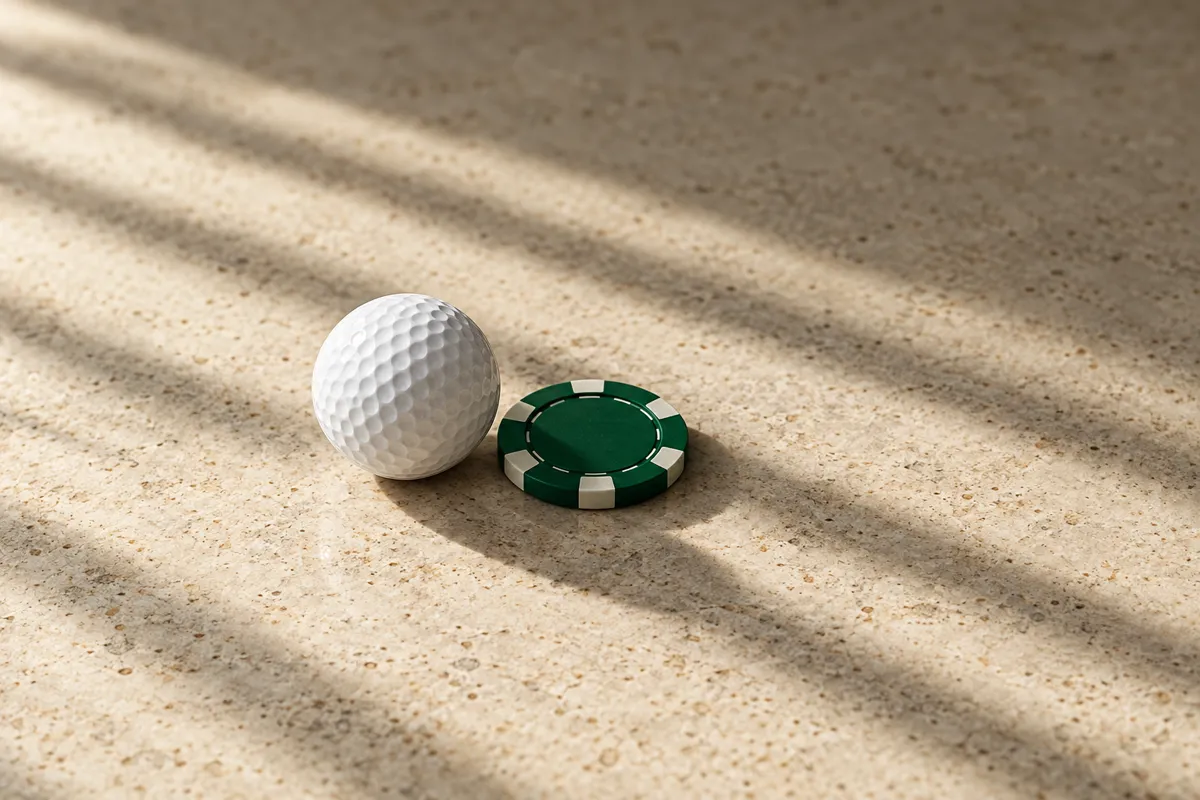
מישהו בירך אותי לאחרונה על הזכייה בטבעת פוקר. הישראלית הראשונה שזוכה בטבעת WSOP. התגובה שלי? "זה לא מרגיש כמו הישג."
זה היה טורניר קטן. שבעים שחקניות. בטח, שיחקתי את המשחק הכי טוב שלי, ואני גאה באיך ששיחקתי. אבל הישג? לא. הישג זה כשצבעתי קיר לבד בפעם הראשונה. כשהחלפתי מנורה בלי לקרוא לאף אחד. כשבניתי שולחן מעץ עם הידיים שלי. כשתפרתי שמלה. כשנסעתי לבד למדינה שלא הכרתי. כשהעברתי סדנה בלי שהידיים רעדו. כשסיימתי תואר שני. אלה הישגים. זכיות בפוקר? הן פשוט... זכיות.
מה הטעם בלנצח?
כשסיפרתי על זה למאמן המנטלי שלי, הוא שלח לי סרטון של סקוטי שפלר, גולפיסט מקצועי, שמדבר על מה זה לנצח.
צפו בסרטון של סקוטי שפלרWatch Scottie Scheffler's videoהוא אומר שאתה עובד כל החיים כדי לחגוג ניצחון בטורניר למשך כמה דקות. ואז זה נגמר. ואז שואלים "מה אוכלים לארוחת ערב?" החיים ממשיכים.
ואז הוא אומר משהו שגרם לי לבכות: "האם זה ממלא את הרצונות העמוקים ביותר של הלב שלי? ממש לא."
אני מתחברת לגמרי. הזכיות חולפות. הן לא ממלאות שום דבר עמוק בפנים.
אבל בניגוד לסקוטי - אני יודעת בדיוק למה אני רוצה לנצח. וזה לא קשור לפוקר.
הסיבה האמיתית
זה לא הניצחון עצמו שנותן לי את האישור. זה השיפור המתמשך. העובדה שאני ממשיכה להתקדם - מנטלית, רגשית, מקצועית.
השיפור הזה נותן לי משהו שלא הצלחתי לבנות שנים: אמון בעצמי. אמון שאני יכולה לקבל החלטות נכונות. שאני יודעת מה טוב לי - גם כשהסביבה חושבת אחרת.
שנים שמעתי שאני לא רואה נכון, לא חושבת נכון, לא עושה את מה שצריך. התמודדתי עם דיכאון, חרדות, והפרעות אכילה - המחיר של פרפקציוניזם שלא הכרתי מספיק טוב. עשיתי עבודה אמיתית - טיפול, למידה, שינוי הרגלים מן היסוד. והשתניתי.
אבל הגרסה הישנה של עצמי עדיין יושבת שם. ורק כשאני רואה שיפור מתמשך - לא ניצחון בודד, אלא תהליך שמצטבר - אני מצליחה להאמין שאני באמת השתניתי.
מחקר: ג'יימס קליר (Atomic Habits) מראה שהשינוי המתמשך ביותר מבוסס על זהות, לא על התנהגות. "אני כזו" חזק יותר מ"אני מנסה להיות כזו."הפער שאף אחד לא מדבר עליו
בשנים האחרונות היו לי הישגים רבים - בחיים האישיים, בקריירה ובפוקר. אבל כשאני יושבת בשולחן, אני לא נכנסת עם האנרגיה הזו. במקום זה, אני משחקת כאילו אני מורעבת - כאילו אני לא מתקדמת מספיק.
המאמן שלי הצביע על משהו שמעולם לא חשבתי עליו: ליצור מרחב לחגוג את עצמך זה לא קורה מעצמו. צריך לייצר את זה. ובלי זה, אתה נתקע במעגל אינסופי של "הדבר הבא" - ולא זוכר כלום.
מחקר: קריסטין נף (Self-Compassion) מצאה שחמלה עצמית מנבאת חוסן רגשי וביצועים גבוהים לאורך זמן - יותר מביקורתיות עצמית.מה עובד לי - ויכול לעבוד גם לכם
1. תמדדו שיפור, לא ניצחונות.
תשאלו את עצמכם בסוף כל שבוע: "האם אני טוב יותר ממה שהייתי לפני חודש?" התשובה חשובה יותר מכל תוצאה בודדת.
2. תכתבו 3 דברים טובים שעשיתם היום.
לא הישגים ענקיים. החלטות קטנות. "אמרתי לא למשהו שלא התאים לי." "שיניתי דעה כשקיבלתי מידע חדש." "הלכתי לישון במקום להמשיך לשחק." התרגול הזה בונה אמון עצמי לאט, אבל בצורה מתמשכת.
3. תפסיקו להשוות תוצאות - תשוו תהליכים.
מישהו אחר אולי מנצח יותר. אבל אתם לא יודעים איפה הוא היה לפני שנה. השוואה בריאה היא רק מול עצמכם - הגרסה של אתמול.
4. תגידו בקול מה אתם לא יודעים.
אני לא יודעת מה אני עושה הרבה מהזמן. רוב האנשים מרגישים ככה. ההבדל הוא מי מעז להגיד את זה. וכשאתם אומרים את זה - אתם נותנים גם לאחרים רשות לעשות את אותו דבר.
5. תדברו על עצמכם כמי שאתם רוצים להיות - בזמן הווה.
לא "אני מנסה להיות יותר סבלנית." אלא "אני סבלנית." לא "אני רוצה להפסיק להתלונן." אלא "אני אדם שמתמקד בפתרונות." השפה שאתם משתמשים בה על עצמכם מעצבת את הזהות שלכם.
זה לא המסע מכישלון להצלחה. זה המסע מביטחון עצמי לאמון עצמי. מלהוכיח - להאמין.
רוצים לגלות מה ההחלטות הנכונות עבורכם?
Someone congratulated me recently on winning a poker ring - the first female in my country to win a WSOP ring. My response? "It doesn't feel like an achievement."
It was a small tournament. Seventy players. Sure, I played my best, and I'm proud of how I played. But an achievement? No. An achievement is when I painted a wall by myself for the first time. When I replaced a lamp without calling anyone. When I built a wooden table with my own hands. When I sewed a dress. When I traveled alone to a country I'd never been to. When I gave a workshop without my hands shaking. When I finished my master's degree. Those are achievements. Poker wins? They're just... wins.
What's the Point of Winning?
When I told my mental coach about it, he sent me a video of Scottie Scheffler, a professional golfer, talking about what it means to win.
צפו בסרטון של סקוטי שפלרWatch Scottie Scheffler's videoHe says you work your whole life to celebrate winning a tournament for a few minutes. And then it's over. And then you ask "what are we eating for dinner?" Life goes on.
Then he says something that made me cry: "Does it fill the deepest wants and desires of my heart? Absolutely not."
I completely relate. The wins are fleeting. They don't fulfill anything deep inside.
But unlike Scottie - I know exactly why I want to win. And it has nothing to do with poker.
The Real Reason
It's not the winning itself that gives me validation. It's the ongoing improvement. The fact that I keep getting better - mentally, emotionally, professionally.
That improvement gives me something I couldn't build for years: self-trust. Trust that I can make good decisions. That I know what's right for me - even when everyone around me thinks differently.
For years I was told I wasn't seeing things right, wasn't thinking right, wasn't doing what I should. I dealt with depression, anxiety, and an eating disorder - the price of a perfectionism I didn't understand well enough. I did real work - therapy, learning, changing habits from the ground up. And I changed.
But the old version of me still sits there. And only when I see ongoing improvement - not a single win, but a process that compounds - can I believe I've really changed.
Research: James Clear (Atomic Habits) shows that the most lasting change is identity-based, not behavior-based. "I am this person" is stronger than "I'm trying to be this person."The Gap Nobody Talks About
In the past few years I've had many achievements - in my personal life, career, and in poker. But when I sit at the table, I don't walk in with that energy. Instead, I play like I'm starving - like I'm not improving enough.
My coach pointed out something I'd never considered: creating space to celebrate yourself doesn't just happen. You have to build it. Without it, you're stuck in an endless cycle of "next thing" - and you don't remember any of it.
Research: Kristin Neff (Self-Compassion) found that self-compassion predicts emotional resilience and sustained high performance - more than self-criticism.What Works for Me - And Might Work for You
1. Measure Improvement, Not Wins
Ask yourself at the end of each week: "Am I better than I was a month ago?" That answer matters more than any single result.
Carol Dweck (Growth Mindset) found that people who measure progress instead of outcomes develop higher resilience and achieve more over time.2. Write Down 3 Good Things You Did Today
Not huge achievements. Small decisions. "I said no to something that didn't fit me." "I changed my mind when I got new information." "I went to sleep instead of continuing to play." This practice builds self-trust slowly, but consistently.
Martin Seligman (Positive Psychology) showed that the "Three Good Things" exercise measurably improves well-being and reduces depression within just two weeks.3. Stop Comparing Results - Compare Processes
Someone else might be winning more. But you don't know where they were a year ago. The only healthy comparison is with yourself yesterday.
Leon Festinger (Social Comparison Theory) showed that upward social comparison damages motivation and self-image. Comparing to your past self is the only comparison that moves you forward.4. Say Out Loud What You Don't Know
I have no idea what I'm doing a lot of the time. Most people feel that way. The difference is who dares to say it. And when you do - you give others permission to do the same.
Brene Brown (Daring Greatly) shows that vulnerability - not perfection - is the foundation of real human connection. People who dare to show weakness create deeper trust.5. Talk About Yourself as Who You Want to Be - in Present Tense
Not "I'm trying to be more patient." But "I am patient." Not "I want to stop complaining." But "I'm a person who focuses on solutions." The language you use about yourself shapes your identity.
James Clear (Atomic Habits): "Every action you take is a vote for the type of person you wish to become." Change starts by talking about yourself as if you're already there.This isn't the journey from failure to success. It's the journey from self-confidence to self-trust. From proving - to believing.
Want to find out what the right decisions are for you?