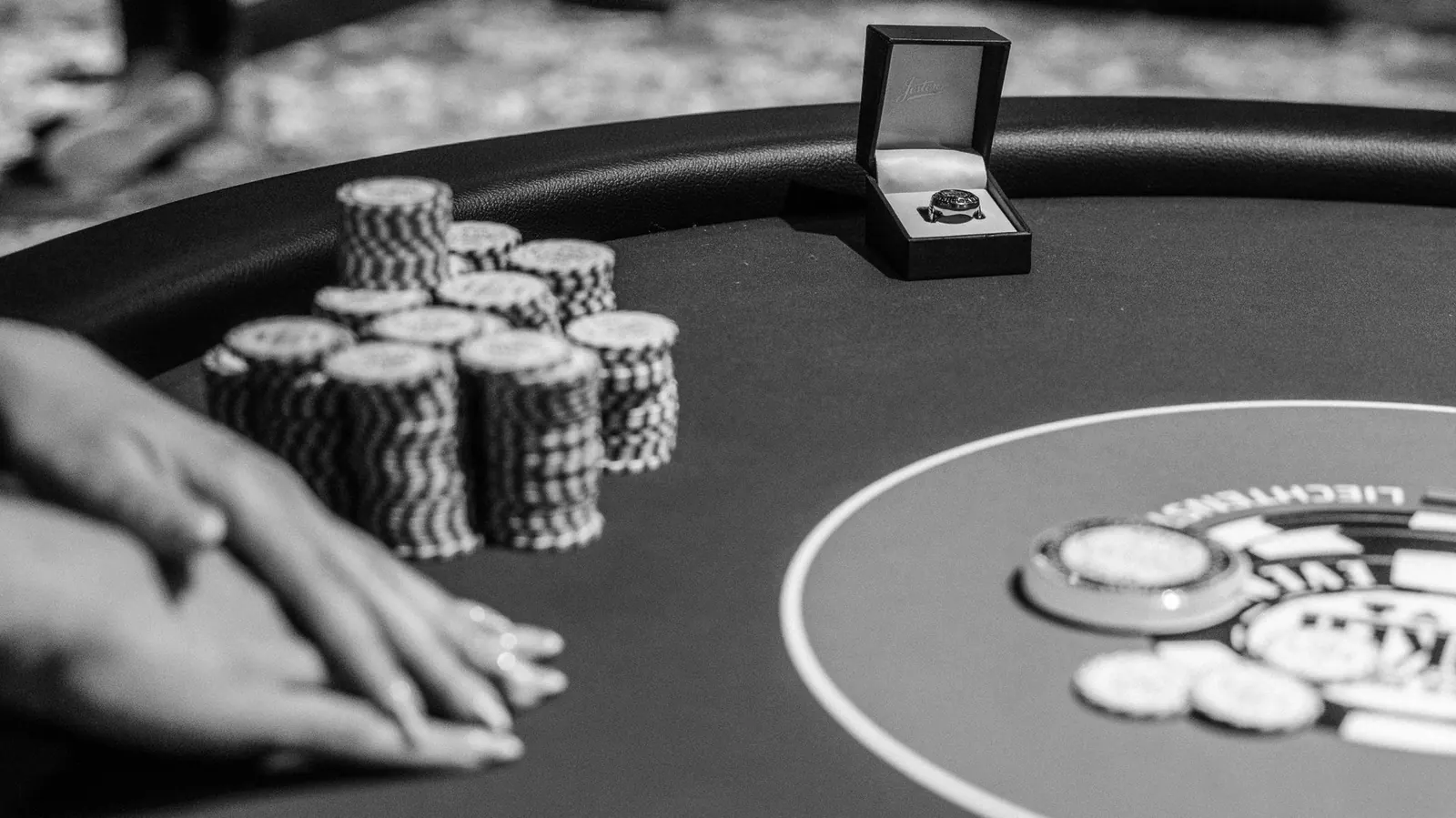
סיימתי טורניר בפתח תקווה באמצע הלילה. נסעתי לחניון בתל אביב, הורדתי את המשענת והלכתי לישון. בבוקר הלכתי לחדר כושר בבניין של העבודה, התקלחתי, ועליתי למשרד. זה היה המצב שלי במשך כשנתיים - משחקת פוקר בלילות, עובדת ביום, ולפעמים ישנה ברכב בין לבין.
אנשים שומעים שזכיתי בטבעת WSOP ומניחים שאני שחקנית יוצאת מן הכלל. אני לא. יש שחקניות הרבה יותר טובות ממני מבחינה טכנית. מה שעשיתי שונה - קיבלתי החלטות טובות יותר לגבי איפה, מתי ואיך לשחק.
נקודת המפנה הגיעה ב-EPT מונטה קרלו. עד אז שיחקתי בעיקר טורנירים מעורבים. החלטתי לנסות את אירוע הנשים - וסיימתי במקום החמישי. אבל יותר מהתוצאה, קיבלתי החלטה: אני הולכת לנצח טורניר נשים ובעוד כמה שנים למצב את עצמי בין השחקניות הטובות בעולם.
1. בחירת שדה קרב
הטבעת הגיעה באירוע נשים בליכטנשטיין, חלק מ-WSOP Circuit. באי-אין של 400 פרנק שוויצרי ו-77 שחקניות. לא וגאס. לא ה-Main Event. טורניר שהתאים לי בול.
אני לא טסה לווגאס ל-WSOP הגדול. וגאס רחוקה, דורשת טיסה ארוכה והתאקלמות להפרשי שעות. גם אם לא משחקים ב-Main Event, צריך להיות שם לפחות שבוע. אני יודעת על עצמי שאני לא אוהבת לשחק יותר מארבעה ימים רצופים - הביצועים שלי יורדים כי אני לא ישנה טוב, ויותר מדי זמן משחק שוחק לי את האנרגיה.
ב-EPT פראג, למשל, בחרתי לא לשחק ב-Cup (באי-אין של כ-800 יורו) - כי ידעתי שאני רוצה להיות בשיא שלי לאירוע הנשים (סיימתי שלישית) ול-Turbo Bounty (כי אני טובה גם בטורבו וגם בבאונטי). זו לא חולשה. זו אסטרטגיה.
Kahneman כתב על זה ב-Thinking Fast and Slow - הסביבה שאת בוחרת משפיעה על התוצאות שלך לא פחות מהכישרון.
2. חשיפה וחזרות
התמקדתי בפורמטים ספציפיים: לבלים קצרים (10-30 דקות), באונטי, ואירועי נשים. לא קפצתי בין סגנונות. הכרתי את הפורמט, את הדינמיקה, את סוג השחקניות שאני הולכת לפגוש.
במשך שנה וחצי טסתי לטורנירים בערך כל חודשיים. לא רק כדי לשחק - כדי להרגיש בנוח עם סגנונות שונים, עם ההתרגשות, עם להיות רחוק מהסביבה הרגילה שלי. חשיפה חוזרת ונשנית.
דוגמה: בטורניר הזכייה, היו לי JJ עם 30BB. שחקנית דחפה אולין. הכרתי אותה - ידעתי את הנטיות שלה. היינו בשלושה שולחנות אחרונים, אחרי שה-Re-entry נסגר. קיפלתי. כי ידעתי שזו הדרך היחידה שלי לנצח את הטורניר. לפעמים ההחלטה הנכונה היא לוותר על יד טובה.
Ericsson הראה את זה במחקר על Deliberate Practice - את לא מתמקצעת מלנסות הכל, את מתמקצעת מלחזור על אותו דבר עד שזה נכנס בקטנה.
3. עבודה מנטלית ואסטרטגית
יש לי מאמן מנטלי כבר חצי שנה. הוא עוזר לי להרגיש בנוח עם טעויות, להבין שזה תהליך, נותן לי מידע על נטיות אנושיות ודליפות נפוצות - כדי שלא ארגיש שאני היחידה. הוא נותן לי כלים לתרגול ועוזר לי לשפר את השגרה היומית שלי.
באחד הטורנירים הדילר עשה טעות - אמר לשחקנית שהיא לא יכולה לעשות רייז, למרות שהיא כן יכלה. השחקנית השוותה ואז הבינה שהיא יכלה לעשות רייז. לאחר כמה דקות של ויכוחים, פסקו לטובת השחקנית שהיא יכולה לשנות את המהלך שלה ונאלצתי לקפל. זו טעות שיכלה להוציא אותי מאיזון. היכולת שלי להתאושש מנטלית ולא לתת לזה להרוס את הטורניר - זה היה הצלחה בפני עצמה.
יש מחקרים על Theory of Mind שמראים שהיכולת לקרוא אנשים היא דבר שאפשר לפתח. זה לא כישרון שנולדים איתו.
4. עשיתי את העבודה שאף אחד לא רואה
ישנתי ברכב אחרי טורנירים כדי להגיע לעבודה בבוקר. השקעתי בטיפול, ביופידבק, וסדנאות על מחשבות אוטומטיות. הלכתי לטיפול זוגי לבד כדי לעבוד על אמון ויחסים.י.
עברתי תקופות קשות. התמודדתי עם אתגרים מנטליים במשך שנים - בעיות אמון, ערך עצמי נמוך, מחשבות שלא עזבו אותי. השתמשתי בעיקר בטיפול חשיפתי כדי לגדול ולהשתפר - גם בחיים וגם במשחק.
הדבר הכי קשה היה לעבוד על הערך העצמי. לא לתת לאגו לנהל את ההצגה. להיות מסוגלת לוותר, לקפל, להיכנע - ואז לקום אחרי טעות או שבירה ולהמשיך.
הרגע שהכל השתלם
ב-Heads Up של הטורניר בליכטנשטיין, היה רגע שהערימות שלנו היו זהות. היריבה הציעה עסקה. סירבתי. הייתי בטוחה בעצמי - למדתי אותה, הרגשתי טוב עם המשחק שלי ועם ההתקדמות שלי.
האסטרטגיה שלי הייתה להתיש אותה באגרסיביות ובערמומיות. ואז, עשיתי לימפ עם QQ. היא דחפה עם K8 אוף. פגעתי בסט וניצחתי את הטורניר.
הטבעת לא הגיעה כי הייתי הכי טובה. היא הגיעה כי קיבלתי את ההחלטות הנכונות לגבי עצמי - מה מתאים לי, איפה אני חזקה, ומה אני מוכנה להשקיע.
I finished a tournament in the middle of the night. Drove to a parking lot in Tel Aviv, reclined my seat, and slept. In the morning, I went to the gym in my office building, showered, and went to work. That was my reality for about two years - playing poker at night, working during the day, sleeping in my car in between.
People hear I won a WSOP ring and assume I'm an exceptional player. I'm not. There are players far more technically skilled than me. What I did differently was make better decisions about where, when, and how to play.
The turning point came at EPT Monte Carlo. Until then, I mostly played mixed tournaments. I decided to try the ladies event - and finished 5th. But more than the result, I decided: I'm going to win a Ladies event and within a few years become one of the best female players in the world.
1. Field Selection
The ring came at a ladies event in Liechtenstein, part of the WSOP Circuit. A 400 CHF buy-in with 77 players. Not Vegas. Not the Main Event. A tournament that fit me perfectly.
I don't fly to Vegas for the main WSOP. Vegas is far, requires a long flight and time zone adjustment. Even if you don't play the Main Event, you need to be there for at least a week. I know myself well enough to know I don't like playing more than four consecutive days - my performance drops because I don't sleep well, and too much playing time drains my energy.
At EPT Prague, for example, I chose not to play the Cup (around €800 buy-in) - because I knew I wanted to be at my peak for the ladies event (finished 3rd) and the Turbo Bounty (because I'm good at both turbo and bounty formats). That's not weakness. That's strategy.
Research: Kahneman ("Thinking Fast and Slow") - the environment you operate in affects outcomes as much as talent itself.
2. Exposure and Repetition
I focused on specific formats: short levels (10-30 minutes), bounties, and ladies events. I didn't jump between styles. I knew the format, the dynamics, the type of players I'd face.
For a year and a half, I flew to tournaments roughly every two months. Not just to play - to get comfortable with different styles, with the excitement, with being away from my usual environment. Repeated exposure.
Example: In the winning tournament, I had JJ with 30BB. A player shoved. I knew her - I knew her tendencies. We were at the final three tables, after re-entry had closed. I folded. Because I knew that was my only path to winning the tournament. Sometimes the right decision is to give up a good hand.
Research: Anders Ericsson (Deliberate Practice) - mastery comes from focused repetition, not variety.
3. Mental and Strategic Work
I've had a mental coach for six months. He helps me get comfortable with mistakes, understand that this is a process, gives me information about human tendencies and common leaks - so I don't feel like I'm the only one. He gives me tools to practice and helps me improve my daily routine.
In one tournament, the dealer made a mistake - told a player she couldn't raise when she actually could. The player called and then realized she could have raised. That's the kind of thing that could throw you off balance. My ability to recover mentally and not let it ruin the tournament - that was a success in itself.
Research: Theory of Mind - the ability to recognize patterns in others is a skill you can develop, not an innate talent.
4. I Did the Work Nobody Sees
I slept in my car after tournaments to make it to work in the morning. I invested in therapy, biofeedback, and workshops on automatic thoughts. I went to couples therapy alone to work on trust and relationships.
I went through difficult periods. I dealt with mental challenges for years - trust issues, low self-worth, thoughts that wouldn't leave me alone. I mainly used exposure therapy to grow and improve - both in life and in the game.
The hardest thing was working on self-worth. Not letting my ego run the show. Being able to give up, fold, surrender - and then get up after a bad beat and keep going.
The Moment It All Paid Off
In the heads-up of the Liechtenstein tournament, we had similar stacks. My opponent offered a deal. I refused. I was confident - I had studied her, I felt good about my game and my progress.
My strategy was to wear her down with aggression. Then, with QQ, I limped. She shoved with K8 offsuit. I hit a set and won the tournament.
The ring didn't come because I was the best. It came because I made the right decisions about myself - what fits me, where I'm strong, and what I'm willing to invest.
רוצים לגלות מה ההחלטות הנכונות עבורכם?