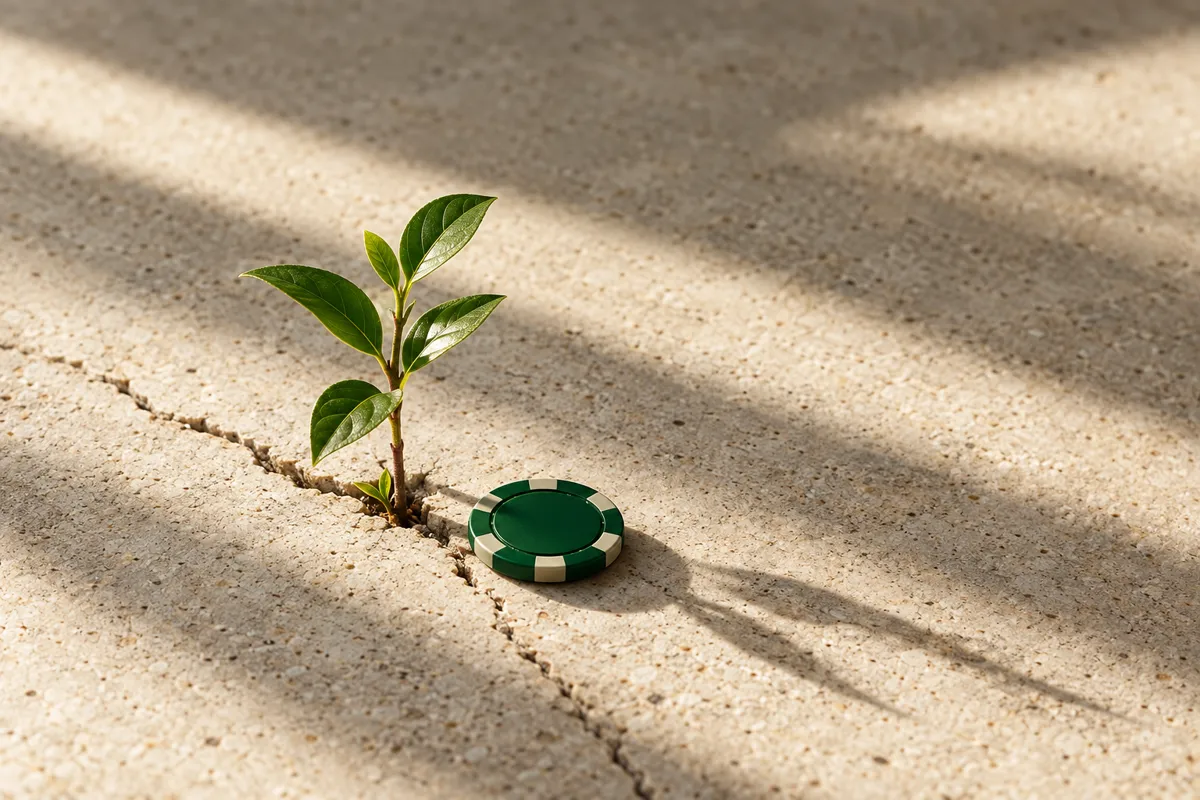
"לא המין החזק ביותר שורד, ולא החכם ביותר. אלא זה שהכי מסתגל לשינוי." - צ'ארלס דרווין
אנטי-שבירות: מעבר לחוסן
נסים טאלב, הכלכלן והפילוסוף, המציא מושג שפוצץ לי את הראש: Antifragile - אנטי-שביר. הכרתי את המושג בזכות @kev.tex, שהכרתי באחד הערבים בהוסטל
יש שלוש קטגוריות של מערכות. שביר - נשבר תחת לחץ, כמו כוס זכוכית. חסין - שורד את הלחץ ונשאר אותו דבר, כמו סלע. ואנטי-שביר - מתחזק מהלחץ, כמו שריר.
טאלב: "האנטי-שביר לא רק עמיד בפני זעזועים. הוא צריך אותם כדי לגדול."
רגע. קראו את זה שוב. הוא צריך את הזעזועים כדי לגדול. זה לא שאתה שורד למרות הקשיים. אתה משתפר בגלל הקשיים.
בפוקר ראיתי את זה שוב ושוב. רצף הפסדים כואב לימד אותי לזהות דליפות שלא ראיתי. טילט הרס לי טורניר ודחף אותי ללמוד ויסות רגשי. הפסד בפיינל לימד אותי שההחלטה הנכונה לא תמיד מובילה לתוצאה הנכונה - וזה בסדר.
כל פעם שנשברתי, התחזקתי מנטלית. לא למרות השבירה. בגלל השבירה.
שריר ההתפתחות
אני קוראת לזה "שריר האבולוציה". היכולת לאתגר את עצמך, להסתגל, ולצמוח. כמו כל שריר, הוא מתחזק רק כשמפעילים אותו. אם את חיה חיים נוחים ולא מאתגרת את עצמך, השריר נחלש.
כל החיים שלי אני מאתגרת את עצמי. לא כי אני נהנית מסבל. אלא כי גיליתי שהגרסה הטובה ביותר שלי נמצאת מעבר לגבול הנוחות. עזבתי עבודות כשהרגשתי שאני לא מתפתחת. עברתי לתחום חדש כשמיציתי את הקודם. למדתי דברים חדשים גם כשלא הייתי צריכה.
בפוקר, הגישה הזו היא הכל. אני לא לומדת GTO כדי להיות שחקנית GTO. אני לומדת GTO כדי להבין את היריבים שלי ולנצל את החולשות שלהם. אני מאתגרת את עצמי כל הזמן - משחקים חדשים, פורמטים חדשים, מדינות חדשות. כל אתגר מחזק את השריר.
Carol Dweck מאוניברסיטת סטנפורד הראתה במחקריה על "תודעת צמיחה" (growth mindset) שאנשים שרואים את היכולות שלהם כגמישות - לא כמשהו קבוע - מתפתחים מהר יותר, מתמודדים טוב יותר עם כישלונות, ולומדים יותר מטעויות.
איך מאמנים את השריר הזה בפועל
1. חשפו את עצמכם ללחצים קטנים ומכוונים
טאלב קורא לזה Hormesis - עקרון שבו חשיפה למינון קטן של לחץ מחזקת את המערכת. חיסון הוא דוגמה קלאסית. אתם מכניסים כמות קטנה של הנגיף כדי שהגוף ילמד להתמודד איתו.
אותו דבר עובד עם אתגרים מנטליים. במקום לחכות שהחיים יזרקו עליכם משבר, תצאו לאתגר את עצמכם מרצון. תנסו משהו חדש שאתם לא בטוחים שתצליחו. תרשמו לקורס שמרגיש קשה מדי. תגידו את הדבר שאתם חוששים להגיד.
מחקרים על צמיחה פוסט-טראומטית (post-traumatic growth) מראים שאנשים שעוברים אתגרים מדווחים על שינויים חיוביים בחמישה תחומים: הערכת החיים, קשרים בינאישיים, חוזק אישי, אפשרויות חדשות, ושינוי רוחני. האתגר עצמו הוא הקטליזטור לצמיחה.
2. תפסו את המחשבות האוטומטיות
הטכניקה הזו מגיעה מטיפול קוגניטיבי-התנהגותי (CBT). הרעיון: המחשבות הראשונות שעולות אחרי כישלון הן לא עובדות. הן הרגלים ישנים. "אני גרועה", "אני לא מספיק טובה", "זה לא בשבילי". כולן מחשבות אוטומטיות שאפשר לאתגר.
למדתי לעצור ולשאול: זה נכון? או שזו תגובה אוטומטית? מה ההוכחות? מה הייתי אומרת לחברה שעוברת את אותו דבר? התהליך הזה לא מחליף את המחשבות. הוא שובר את האוטומטיות שלהן.
Martin Seligman, מייסד הפסיכולוגיה החיובית, הראה במחקריו על "אופטימיות נלמדת" שאנשים שלומדים לפרש כישלונות כזמניים וספציפיים - ולא כקבועים ואוניברסליים - מתאוששים מהר יותר ומפתחים יותר עמידות לטווח הארוך.
3. הגוף קודם לראש
עשיתי ביופידבק. ישבתי עם חיישנים על הגוף ולמדתי לראות בזמן אמת מה קורה כשאני נכנסת ללחץ. הדופק עולה, הנשימה מתקצרת, השרירים נתפסים. הגוף נכנס למצב קרב עוד לפני שהמוח מעבד את המצב.
מה שלמדתי: כדי לחשוב ברור, צריך קודם להרגיע את הגוף. נשימות 4-7-8. שאיפה 4 שניות, החזקה 7, נשיפה 8. זו לא מדיטציה. זו פיזיולוגיה. אתם מפעילים את מערכת העצבים הפאראסימפתטית ומורידים קורטיזול. בפוקר אני עושה את זה לפני החלטות גדולות. בחיים, כל פעם שאני מרגישה שאני מאבדת שליטה.
מחקרים בתחום הביופידבק מראים ששילוב של מודעות גופנית עם אסטרטגיות קוגניטיביות מייצר שינוי עמוק ויציב יותר מכל גישה בנפרד.
4. שלוש הצלחות ביום
כל ערב לפני השינה אני כותבת שלושה דברים שהצליחו לי. לא חייבים גדולים. "קיפלתי יד חלשה בזמן" נחשב. "לא ויתרתי כשהיה קשה" נחשב. "אתגרתי את עצמי במשהו חדש" - בהחלט נחשב. התרגיל הזה בונה ראיות. עם הזמן, הראיות משנות את הסיפור שאתם מספרים לעצמכם.
James Clear, מחבר "הרגלים אטומיים": זהות נבנית מצבירה של ראיות קטנות. כל פעם שאתם מציינים הצלחה, אתם מחזקים את הנרטיב "אני אדם שמתפתח". לא צריך מהפכה. צריך עקביות.
5. הגדילו את מרחב האפשרויות
טאלב מדבר על "אופציונליות" - ככל שיש לכם יותר אפשרויות, ככה אתם פחות שבירים. בפוקר זה אומר ללמוד פורמטים שונים, לא להיתקע במשחק אחד. בחיים זה אומר לפתח כישורים מגוונים, לבנות רשתות מקצועיות, להישאר סקרנים.
אני תמיד שומרת על כמה מסלולים מקבילים. קואצ'ינג, פוקר, הרצאות. לא מתוך פיזור - אלא מתוך הבנה שמי שתלוי בדבר אחד הוא שביר. מי שיש לו אפשרויות הוא אנטי-שביר.
השורה התחתונה
אל תנסו להיות חסינים. חסינות זה לשרוד ולהישאר אותו דבר. תנסו להיות אנטי-שבירים. להשתמש בכל מכה, כל כישלון, כל אתגר כדי להתפתח. לא למרות הקשיים. בגלל הקשיים.
השריר הזה לא גדל מעצמו. צריך לאמן אותו. כל יום. כל החלטה. כל אתגר שאתם בוחרים לקחת על עצמכם במקום לברוח ממנו.
לא מי שהכי חזק שורד. מי שיודע להסתגל, לאתגר את עצמו ולצמוח - הוא זה שמנצח.
"It is not the strongest of the species that survives, nor the most intelligent, but the one most adaptable to change." - Charles Darwin
Antifragile: Beyond Resilience
Nassim Taleb, the economist and philosopher, coined a concept that blew my mind: Antifragile. I was introduced to it by @kev.tex, who first exposed me to this idea.
There are three categories of systems. Fragile - breaks under pressure, like a glass. Robust - survives pressure and stays the same, like a rock. And antifragile - gets stronger from pressure, like a muscle.
Taleb: "The antifragile doesn't just withstand shocks. It needs them to grow."
Read that again. It needs the shocks to grow. You don't survive despite the difficulties. You improve because of them.
In poker I've seen this over and over. A painful losing streak taught me to identify leaks I couldn't see before. Tilt destroyed a tournament and pushed me to learn emotional regulation. A devastating final table loss taught me that the right decision doesn't always lead to the right outcome - and that's okay.
Every time I broke, I grew back a little stronger. Not despite the breaking. Because of it.
The Evolution Muscle
I call it "the evolution muscle." The ability to challenge yourself, adapt, and grow. Like any muscle, it only gets stronger when you use it. If you live a comfortable life and never challenge yourself, the muscle weakens.
My whole life I've been challenging myself. Not because I enjoy suffering. Because I discovered that the best version of me lives beyond the comfort zone. I left jobs when I felt I wasn't growing. Moved to new fields when I'd maxed out the old ones. Learned new things even when I didn't have to.
In poker, this approach is everything. I don't study GTO to be a GTO player. I study GTO to understand my opponents and exploit their weaknesses. I constantly challenge myself - new games, new formats, new countries. Every challenge strengthens the muscle.
Carol Dweck at Stanford showed in her research on "growth mindset" that people who see their abilities as flexible - not fixed - develop faster, handle failures better, and learn more from mistakes.
How to Train This Muscle in Practice
1. Expose Yourself to Small, Deliberate Stressors
Taleb calls this Hormesis - the principle where exposure to small doses of stress strengthens the system. A vaccine is a classic example. You introduce a small amount of the virus so the body learns to handle it.
The same works with mental challenges. Instead of waiting for life to throw a crisis at you, go challenge yourself on purpose. Try something new that you're not sure you'll succeed at. Sign up for a course that feels too hard. Say the thing you're afraid to say.
Research on post-traumatic growth shows that people who go through challenges report positive changes in five areas: appreciation of life, interpersonal relationships, personal strength, new possibilities, and spiritual change. The challenge itself is the catalyst for growth.
2. Catch the Automatic Thoughts
This technique comes from Cognitive Behavioral Therapy (CBT). The idea: the first thoughts that pop up after failure aren't facts. They're old habits. "I'm terrible," "I'm not good enough," "This isn't for me." All automatic thoughts that can be challenged.
I learned to stop and ask: Is that true? Or is it an automatic reaction? What's the evidence? What would I tell a friend going through the same thing? This process doesn't replace the thoughts. It breaks their automaticity.
Martin Seligman, founder of positive psychology, showed in his "learned optimism" research that people who learn to interpret failures as temporary and specific - not permanent and universal - recover faster and develop more long-term resilience.
3. Body First, Mind Second
I did biofeedback. Sat with sensors on my body and learned to see in real time what happens when I enter stress. Heart rate spikes, breathing shortens, muscles lock up. The body enters fight mode before the brain even processes the situation.
What I learned: to think clearly, you need to calm the body first. 4-7-8 breathing. Inhale 4 seconds, hold 7, exhale 8. This isn't meditation. It's physiology. You activate the parasympathetic nervous system and lower cortisol. In poker I do this before big decisions. In life, whenever I feel like I'm losing control.
Biofeedback research shows that combining body awareness with cognitive strategies produces deeper and more lasting change than either approach alone.
4. Three Wins a Day
Every night before sleep, I write down three things that went well. They don't have to be big. "I folded a weak hand at the right time" counts. "I didn't quit when it was hard" counts. "I challenged myself with something new" - absolutely counts. This exercise builds evidence. Over time, the evidence changes the story you tell yourself.
James Clear, author of "Atomic Habits": identity is built from the accumulation of small evidence. Every time you note a win, you reinforce the narrative "I am someone who evolves." You don't need a revolution. You need consistency.
5. Expand Your Options
Taleb talks about "optionality" - the more options you have, the less fragile you are. In poker that means learning different formats, not getting stuck in one game. In life it means developing diverse skills, building professional networks, staying curious.
I always keep several parallel tracks. Coaching, poker, keynotes. Not out of distraction - but from understanding that whoever depends on one thing is fragile. Whoever has options is antifragile.
The Bottom Line
Don't try to be robust. Robust means surviving and staying the same. Try to be antifragile. Use every hit, every failure, every challenge to evolve. Not despite the difficulties. Because of them.
This muscle doesn't grow on its own. You have to train it. Every day. Every decision. Every challenge you choose to take on instead of running from.
It's not the strongest who survive. Those who know how to adapt, challenge themselves, and grow - they're the ones who win.
רוצים לבנות את שריר האבולוציה שלכם? בואו נדבר.
Want to build your evolution muscle? Let's talk.